Category: Uncategorized

  • Ethiopia bets on mobile trading to unlock its young capital market

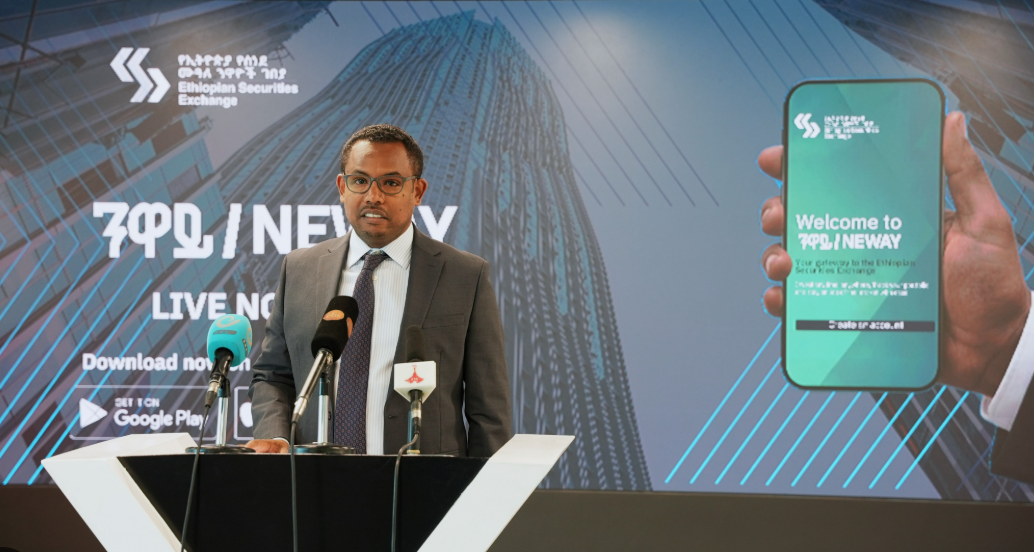
    Neway app launched @ESX

    Ethiopia’s fledgling securities market is turning to mobile technology to broaden participation, launching its first smartphone trading platform as authorities attempt to overcome structural barriers that have slowed the early growth of the exchange.

    The Ethiopian Securities Exchange (ESX) on Friday unveiled NEWAY, a mobile trading application designed to allow investors to open accounts, trade securities and monitor portfolios directly from their phones. The platform forms part of a broader effort to expand Ethiopia’s capital market beyond a small group of institutional players concentrated in Addis Ababa.

    The new digital platform could help reach thousands of potential retail investors

    The launch comes at a critical moment for the exchange, which has struggled to build a sufficiently large investor base since trading began. Officials say the new digital platform could help reach thousands of potential retail investors across the country who have so far remained outside the market.

    “Through Neway, investors can access the market anytime and from any location,” said ESX chief executive Tilahun Esmael, describing the platform as a step toward democratizing investment opportunities in Ethiopia.

    A digital shortcut for a latecomer market

    Unlike most African stock exchanges that evolved gradually over decades, Ethiopia is attempting to build a modern capital market almost from scratch.

    Regulators argue that this late entry provides an opportunity to adopt newer digital systems rather than legacy infrastructure.

    “Being a latecomer allows us to leapfrog where other markets have arrived,” said Hana Tehelku, director general of the Ethiopian Capital Market Authority. She said the mobile platform builds on automated trading systems that have already been introduced at the exchange.

    The platform integrates the exchange’s Broker Back Office system and Order Management System; allowing investors to register, place buy and sell orders and track holdings in real time. Developed in partnership with Infotech Private Limited, the app also incorporates regulatory compliance features such as know your customer verification procedures.

    Users must complete a seven step registration process that includes identity verification before they can begin trading.

    The $500,000 infrastructure investment

    Behind the mobile interface sits a more significant investment in trading infrastructure.

    Tilahun said the exchange spent roughly $500,000 developing a shared back office system for brokerage firms, rather than the mobile application itself.

    The platform is designed to support 10 brokerage houses, with development costs estimated at about $50,000 per broker. [T]he project was awarded after an international tender that attracted bids from ten technology companies. The system allows brokers to operate through a centralized infrastructure while offering clients digital access to trading services.

    A small investor base

    Despite strong government backing, Ethiopia’s capital market remains extremely small by regional standards. The exchange currently has about 3,200 active investment accounts, far below its target of 30,000 accounts. Limited access to brokerage services has been one of the main obstacles. Most brokers and investment banks are based in Addis Ababa, leaving potential investors in other regions with little direct access to the market. The number of listed companies is also still limited, restricting the range of available securities.

    Retail investors as the next growth engine

    Officials increasingly see retail investors as the next driver of market growth. The [Neway] platform aims to lower entry barriers by allowing individuals to open accounts and trade remotely rather than visiting brokerage offices. Brook Taye, chief executive of Ethiopian Investment Holdings and chair of the ESX board, said the app could help shift household financial behaviour beyond traditional savings.

    “The platform allows investors whose financial activity has been limited to savings to participate in equity and debt investments,” he said. Authorities believe the rapid adoption of digital finance platforms in Ethiopia suggests the model could scale quickly.

    Mobile services such as Telebirr and digital banking platforms from the Commercial Bank of Ethiopia have already attracted millions of users in recent years.

    The launch also reflects Ethiopia’s broader economic reform programme, which includes the development of capital markets to mobilise domestic savings and attract foreign investment.

  • Abiy Ahmed Visits UAE for Strategic Talks Amid Rising Middle East Tensions

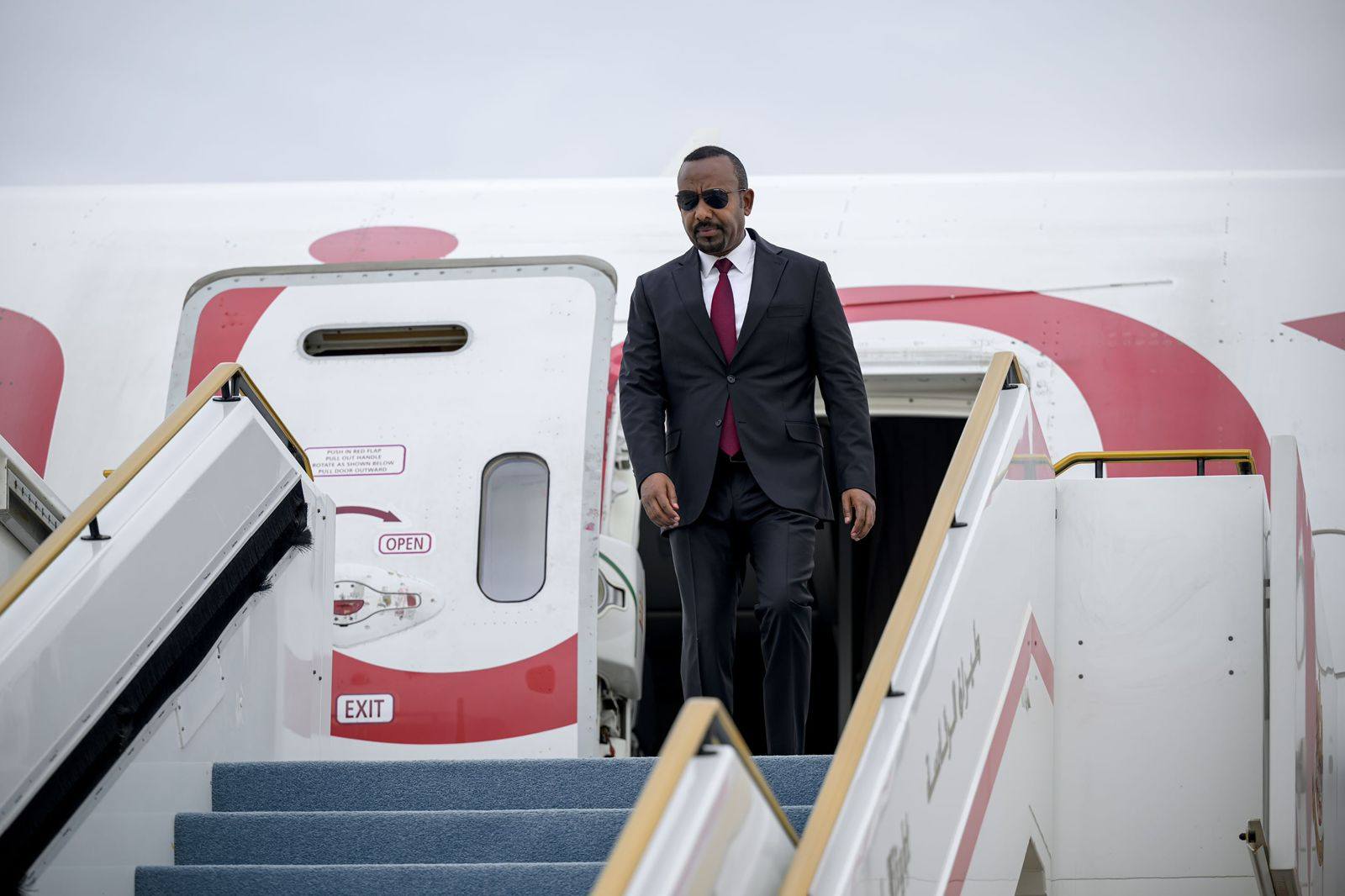
    Ethiopian Prime Minister Abiy Ahmed Ali, official state visit to UAE @Office of The Prime Minister

    Ethiopian Prime Minister Abiy Ahmed arrived in the United Arab Emirates for a working visit, holding talks with President Sheikh Mohamed bin Zayed Al Nahyan as regional tensions in the Middle East continue to escalate.

    The visit comes at a moment of heightened geopolitical uncertainty following recent military developments involving US, Israel, Iran and their regional allies, which have intensified diplomatic activity across both the Middle East and the Horn of Africa.

    Ethiopia’s ambassador to the UAE described the visit as an important step in reinforcing ties between the two countries. In a statement issued during the visit, the ambassador said welcoming Prime Minister Abiy to the Emirates was a “profound honor,” noting that the trip highlights the depth of the Comprehensive Strategic Partnership between the two nations.

    According to the statement, the visit reaffirms Ethiopia’s solidarity with the government and people of the UAE while underscoring the longstanding relationship built on “mutual respect, shared interests and a common vision for peace, stability and prosperity.”

    The meeting between Abiy and Sheikh Mohamed bin Zayed is expected to focus on strengthening economic cooperation, investment partnerships and regional security issues. The UAE has emerged as one of Ethiopia’s key Gulf partners, with significant involvement in investment, logistics and humanitarian support across the Horn of Africa.

    Analysts say the timing of the visit also reflects Addis Ababa’s effort to maintain strong diplomatic channels with Gulf states as the strategic importance of the Red Sea corridor grows amid widening regional tensions.

    Ethiopia has intensified engagement with several Middle Eastern partners in recent weeks, holding a series of diplomatic meetings in Addis Ababa with ambassadors from Saudi Arabia, Israel, Jordan, Kuwait and Oman.

    Officials say these engagements aim to deepen economic ties while promoting regional stability during a period of heightened geopolitical uncertainty.

  • Ethiopia Moves to Unlock Potash Wealth with New Mining Deal

    Brook Taye (PhD), chief executive of EIH, and Habtamu Tegene @EIH
    Ethiopia has taken a new step toward developing its vast mineral resources after Ethiopian Investment Holdings (EIH) signed a potash mining agreement with the Ministry of Mines of Ethiopia, a move officials say could strengthen the country’s fertilizer supply chain and open a new export sector.

    The agreement was signed in Addis Ababa by Brook Taye, chief executive of EIH, and Habtamu Tegene, Ethiopia’s minister of mines. The project targets the development of Ethiopia’s largely untapped potash reserves, a key input in global fertilizer production.

    Speaking at the signing ceremony, Brook said the deal represents an important milestone in transforming Ethiopia’s natural resource base into industrial and economic value.

    “Ethiopia has significant untapped potash resources, and this agreement is an important step toward realizing that potential,” he said. “Developing our potash resources opens new opportunities for the mining sector while supporting agricultural value chains and positioning the country to benefit from growing global demand for fertilizers and critical minerals.”

    Potash is considered a strategic mineral because of its role in boosting crop yields and global food security. Ethiopia’s reserves are believed to be concentrated in the Afar Depression, one of the largest undeveloped potash basins in the world.

    Habtamu said the agreement reflects a broader government strategy aimed at accelerating responsible mining development and ensuring that licensed projects translate into real production.

    “We look forward to the successful implementation of the project,” he said. “Working together with the largest sovereign wealth fund in Africa creates a strong opportunity to help utilize Ethiopia’s mineral potential.”

    EIH, which manages major state assets across sectors including telecom, logistics and manufacturing, has increasingly been tasked with spearheading strategic investments aligned with Ethiopia’s industrial policy.

    The potash deal comes as the government seeks to diversify exports and reduce the country’s heavy reliance on agricultural commodities such as coffee. Ethiopia also imports large volumes of fertilizer each year, making domestic production a strategic priority.

    If successfully developed, the project could alter Ethiopia’s fertilizer supply dynamics and reduce foreign currency spending on imports. It may also attract international mining partners and infrastructure investment in the Afar region.

    Industry analysts say the agreement signals renewed momentum in Ethiopia’s mining sector after years of slow project development, potentially positioning the country as a future supplier in the global potash market, where demand is expected to grow alongside food production needs.

  • NBE flags consolidation risk as Ethiopia’s banking sector outgrows its structure

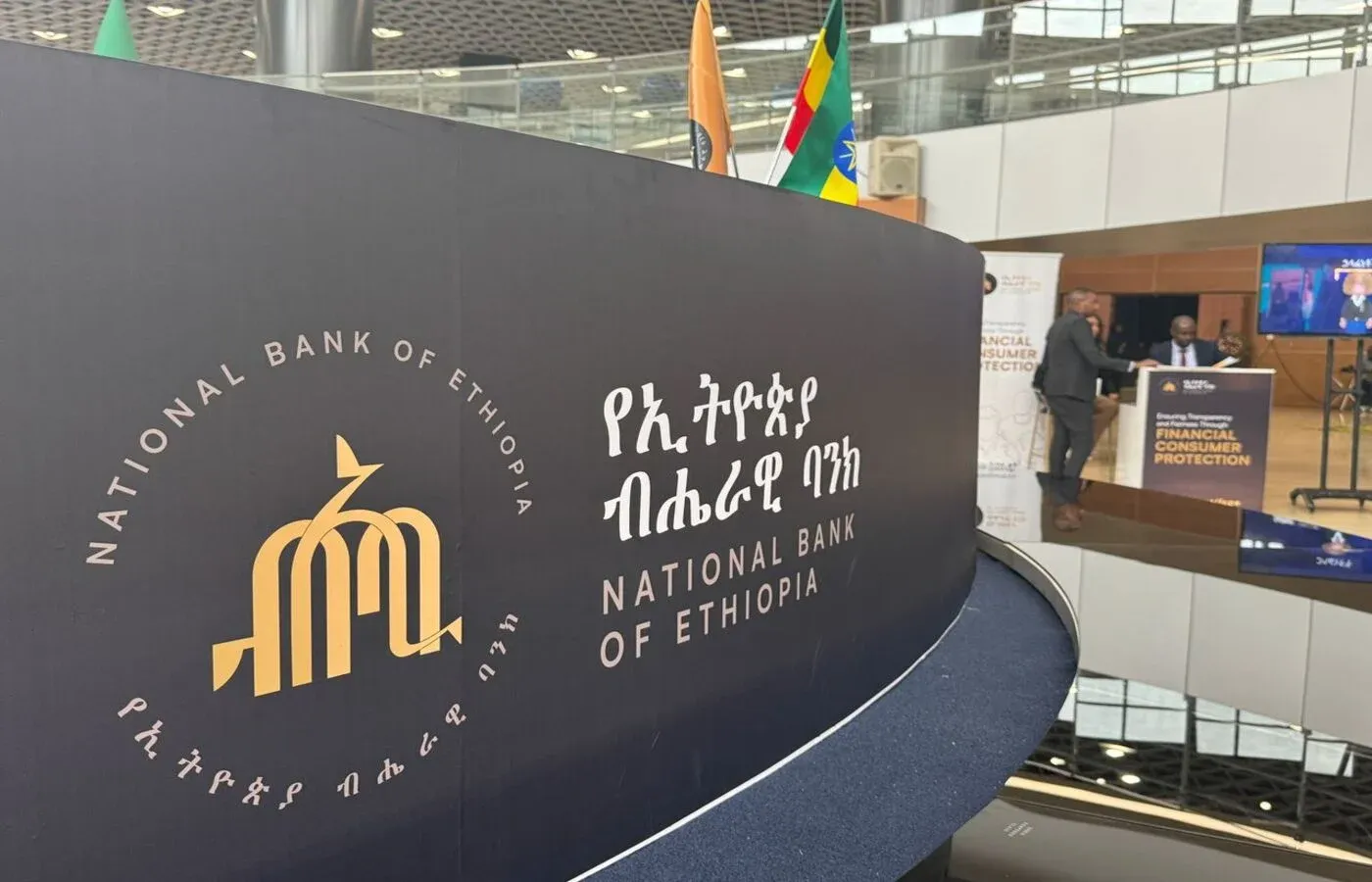
    National Bank of Ethiopia @NBE, Facebook Page

    ADDIS ABABA — Ethiopia’s banking sector is entering a phase of structural adjustment, with the central bank signaling that consolidation may become unavoidable despite strong overall performance.

    In the foreword to its March 2026 Financial Stability Report, Eyob Tekalign, Governor of the National Bank of Ethiopia (NBE), underscores that the sector is currently operating from a position of strength.

    The Paradox of Strength

    The report is explicit: Ethiopia does not have a weak banking sector. It is “stable, resilient, and low risk.” However, this stability masks a profound structural imbalance. While the system-level capacity is robust, the distribution of that capacity is increasingly skewed.

    “Increasing market concentration and widening performance gaps across institutions are becoming evident… highlighting the continued need for efficiency enhancements, innovation, and in some cases, consolidation.”

    Survival Pressure: The “Fittest” Mandate

    Perhaps the most significant signal from the NBE isn’t about stability, but about survival. The report notes that “Only the fittest institutions will survive.” This is policy signaling language, indicating that 25 smaller banks—which together hold only ~21.8% of system assets—are facing an existential efficiency gap.

    Drivers of Consolidation

    • A.Market Dominance: The single systemically important bank is growing its footprint faster than the rest of the market combined.
    • B.Fragmentation: 25 banks competing for less than a quarter of the market is economically inefficient.
    • C.Legal Readiness: New banking laws now explicitly include “mergers and acquisitions” as part of the formal crisis management framework.

    The Road to Restructuring

    While the language stops short of mandating mergers, it marks the clearest indication yet that parts of Ethiopia’s fragmented banking landscape may need to restructure.

    The message is reinforced by ongoing regulatory reforms, positioning consolidation as a policy-supported pathway rather than a forced intervention. The fate of most small banks is not failure due to instability, but forced restructuring due to inefficiency and scale disadvantage.

    “The National Bank report signals that while Ethiopia’s banking sector is strong, its structure is unsustainable. With one bank controlling half the market and 25 others sharing less than a quarter, consolidation is no longer optional but inevitable.”

  • Airspace shock redraws global routes as African carriers seize the moment

    Ethiopian Airlines @ET

    African carriers are registering an unexpected surge in demand as geopolitical instability across the Middle East forces travelers to abandon traditional transit hubs. Kenya Airways and Ethiopian Airlines are at the center of this shift, capturing rerouted passenger flows across long haul corridors linking Africa to Europe, the United States and Asia.

    Kenya Airways sees rare off season surge

    Kenya Airways is increasing flight frequencies after recording seat occupancy rates of up to 99 percent on some routes, a sharp deviation from typical low season performance.

    The airline reports particularly strong demand on routes to Europe, the United States and Asia, driven by passengers avoiding conflict affected Middle Eastern hubs. It expects to retain about 40 percent of these new passengers even after the situation stabilises, pointing to potential long term gains.

    Operationally, the carrier is moving to sustain the surge. It is securing additional fuel supplies and has already conducted two repatriation flights, with further missions planned.

    Addis Ababa gains ground as transit hub

    At the same time, Ethiopian Airlines is capitalising on a structural shift in transit patterns. Political instability linked to the conflict involving Israel, the United States and Iran is disrupting air transport across Gulf countries, pushing travelers to seek alternative routes.

    South African passengers are increasingly using Addis Ababa as their primary transit hub, reflecting growing confidence in the airline’s network reliability.

    Industry data shows that since the beginning of March, bookings through Ethiopian Airlines have surged by 110 percent.

    “The shift is a result of cancellations and airspace restrictions on traditional flight routes,” said Sugarith, an official at Flight Centre South Africa.

    Pre-existing dominance accelerates

    The current spike builds on Ethiopian Airlines’ expanding market position. Data from the International Air Transport Association (IATA), shows the airline was already strengthening its dominance across key routes before the crisis.

    In 2025, it became the top choice for flights to India, transporting more than 69,000 passengers on the Johannesburg to Mumbai route via Addis Ababa. On UK to South Africa routes, it emerged as the largest indirect carrier, surpassing Emirates by 39,000 passengers.

    Across Africa to United States travel, the airline has also maintained strong competitiveness, ranking third after United and Delta airlines.

    Crisis reshapes aviation flows

    The disruption across Middle Eastern airspace is rapidly redrawing global aviation patterns, with African carriers emerging as immediate beneficiaries. Kenya Airways is absorbing direct demand through increased frequencies, while Ethiopian Airlines is reinforcing its position as a key intercontinental hub.

    The extent to which these gains endure will depend on how long the disruptions persist and whether airlines can convert short term traffic into sustained market share.


  • Kenyan banks targets Ethiopia as reforms redraw Africa’s last major closed market

    Ethiopia’s cautious opening of its banking sector is rapidly attracting regional heavyweights, with Kenya’s leading lenders positioning for entry into what has long been one of Africa’s most tightly controlled financial markets. Recent signals from Nairobi and Addis Ababa suggest that the next phase of East African banking integration will be defined as much by regulation and partnerships as by competition.

    At the centre of this shift are Equity Group Holdings and KCB Group, both of which have confirmed active plans to enter Ethiopia following the enactment of the Banking Business Proclamation No. 1360/2025. The reform, passed in March 2025, allows foreign banks to establish subsidiaries, open branches, or acquire stakes in domestic institutions for the first time in decades.

    A market too large to ignore

    With a population exceeding 130 million and relatively low banking penetration, Ethiopia represents one of the largest untapped retail banking markets on the continent. For regional lenders seeking growth beyond saturated home markets, the opportunity is strategic.

    James Mwangi, chief executive of Equity Group, framed Ethiopia as central to the bank’s long-term ambitions. “We are open to the Ethiopian market… we are looking at that opportunity,” he told investors following the release of the group’s 2025 results, adding that expansion into Ethiopia would be key to reaching its target of 15 countries by 2030.

    Equity’s financial position underscores its capacity to expand. The group reported a 55 percent increase in net profit to $584 million in 2025, with subsidiaries outside Kenya now contributing nearly half of total banking profits. This diversification has transformed the lender from a domestic player into a regional powerhouse.

    The bank has maintained a representative office in Addis Ababa for seven years, giving it a first-mover advantage in regulatory engagement and market intelligence.

    KCB opts for acquisition-led entry

    While Equity appears open to multiple entry pathways, KCB Group is taking a more targeted approach. The bank has shortlisted a domestic Ethiopian lender for potential acquisition, signalling a preference for immediate scale rather than a greenfield operation.

    Lawrence Kimathi confirmed that the bank is prioritising control in its Ethiopian investment. “We believe taking some sort of control as you get into Ethiopia is critical,” he said in a recent interview, noting that discussions with regulators are yet to reach an advanced stage.

    KCB’s expansion strategy draws on its track record of integrating acquisitions across East Africa, including its Rwanda operations. The bank is also emphasising digital banking as a means to overcome Ethiopia’s geographic scale and infrastructure gaps.

    Its financials provide strong backing: total assets rose to $17.1 billion in 2025, with steady growth in lending and profitability. Regional subsidiaries now account for nearly a third of pre-tax profit, reinforcing the importance of cross-border expansion.

    Policy reform with guardrails

    Ethiopia’s opening is deliberately calibrated. Under the new law, foreign ownership in any domestic bank is capped at 49 percent, with a single strategic investor limited to 40 percent. Regulators retain discretion to allow higher stakes for institutions deemed to bring significant capital, technology or expertise.

    Speaking to lawmakers, Abiy Ahmed defended the cautious approach. “This concern is valid,” he said, referring to fears of foreign dominance. “We opened it very slightly; it isn’t opened in a way that destroys our banks.”

    The government also plans to issue only five foreign banking licences over five years, ensuring a gradual transition.

    The rationale is rooted in structural gaps. Ethiopia’s financial sector remains shallow relative to regional peers. According to the prime minister, banking assets account for a much smaller share of the economy compared with countries such as Kenya, Nigeria and South Africa, where foreign participation has historically driven sectoral growth.

    Competition or collaboration?

    For domestic banks, the arrival of foreign players presents both risk and opportunity. On one hand, competition could compress margins and expose inefficiencies. On the other, partnerships may unlock access to capital, technology and risk management expertise.

    Abiy has been explicit in urging consolidation. “Five or ten strong banks are enough for Ethiopia,” he said, calling on local institutions to merge, modernise and adopt digital systems.

    This policy direction aligns with broader trends across Africa, where scale and technological capability increasingly determine competitiveness. Smaller Ethiopian banks, many of which remain limited in capital and reach, may face pressure to combine or seek strategic investors.

    A crowded field of suitors

    Kenyan lenders are not alone in their interest. South Africa’s Absa Group has indicated it is monitoring the market, while Standard Bank has already secured the re-licensing of its representative office in Addis Ababa, positioning itself for eventual expansion.

    The presence of multiple suitors underscores the significance of Ethiopia’s reform. After decades of isolation, the country is emerging as one of the last major frontiers for banking growth on the continent.

    Yet challenges remain. Foreign investors are closely studying regulatory clarity, foreign exchange constraints and operational risks. The experience of telecom entrant Safaricom, which faced a difficult early phase in Ethiopia, serves as a cautionary benchmark for new entrants.

    Digital finance as the battleground

    One area of convergence among prospective entrants is digital banking. Both Equity and KCB have highlighted technology-driven models as central to their Ethiopia strategies.

    Digital channels offer a way to bypass infrastructure bottlenecks, reduce operating costs and reach underserved populations. In a country where formal banking penetration remains low but mobile usage is rising, the potential for rapid adoption is significant.

    For policymakers, this aligns with broader goals of financial inclusion. Expanding access to credit, savings and payment systems is seen as critical to supporting economic growth and private sector development.

    A defining test for reform

    Ethiopia’s banking liberalisation is more than a sectoral adjustment. It is a test of the country’s ability to balance openness with stability, and competition with domestic capacity building.

    For regional lenders, the prize is clear: access to a vast, underbanked market with long-term growth potential. For Ethiopia, the challenge lies in ensuring that foreign participation translates into tangible gains in efficiency, inclusion and economic depth.

    The coming months, particularly the allocation of initial licences and the structure of early deals, will determine whether this carefully managed opening delivers on its promise or exposes new fault lines in one of Africa’s most complex economies.


  • US Designates Sudanese Muslim Brotherhood as Terrorist Group, Escalating Sudan Crisis

    The United States has designated the Sudanese Muslim Brotherhood as a “specially designated global terrorist” organisation, a move that could reshape the dynamics of Sudan’s brutal civil war and deepen the country’s diplomatic isolation. The decision, announced by US Secretary of State Marco Rubio, signals Washington’s growing concern over the role of Islamist networks and foreign actors in Sudan’s conflict.

    In a statement issued on March 9, 2026, Rubio said the group has used “unrestrained violence against civilians to undermine efforts to resolve the conflict in Sudan and advance its violent Islamist ideology.” The designation allows the United States to impose financial sanctions and block assets linked to the organisation. Washington also said it intends to classify the group as a “foreign terrorist organisation” next week, which would criminalise providing material support to it.

    The decision comes as Sudan remains engulfed in a devastating war between the Sudanese Armed Forces led by Abdel Fattah al-Burhan and the paramilitary Rapid Support Forces commanded by Mohamed Hamdan Dagalo. The conflict, which began in April 2023, has killed thousands and displaced millions of people, threatening the country’s humanitarian situation.

    Allegations of Iranian support

    According to the US State Department, the Sudanese Muslim Brotherhood has received training and backing from the Islamic Revolutionary Guard Corps. American officials argue that the alleged ties highlight the growing involvement of external actors in Sudan’s war.

    Washington also accused the group of carrying out mass executions and attacks against civilians during the conflict. Human rights organisations have repeatedly warned that atrocities committed by multiple armed factions have contributed to what the United Nations describes as one of the world’s worst humanitarian crises.

    The designation may create additional diplomatic pressure on Burhan’s military leadership. Critics of the Sudanese army argue that Islamist networks linked to the former regime of Omar al-Bashir have regained influence within military-aligned structures during the war.

    If elements associated with the Sudanese Muslim Brotherhood are indeed operating alongside army forces, the US designation could complicate the military government’s international standing and restrict potential financial channels or political engagement.

    Regional reactions and geopolitical context

    The United Arab Emirates welcomed Washington’s decision, saying it reflects efforts to curb violence and destabilising activities linked to the Brotherhood network in Sudan. Gulf states have closely monitored the conflict, which carries implications for Red Sea security and regional power competition.

    Analysts say the designation also intersects with broader geopolitical rivalries across the Horn of Africa and the Middle East. Sudan’s location between North Africa, the Sahel and the Red Sea corridor makes its instability a concern for neighbouring states including Ethiopia and Eritrea, as well as Gulf powers with strategic interests along the maritime route.

    With Sudan already fragmented by armed factions, economic collapse and international isolation, Washington’s move adds another layer of complexity to an already volatile conflict. Whether [the] designation alters the balance of power on the ground or pushes political actors toward negotiations remains uncertain, but it underscores the widening international dimension of Sudan’s war.

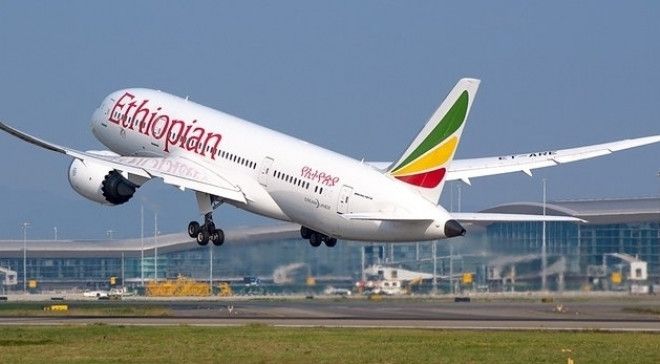
  • Ethiopian Airlines Navigates Middle East Disruption

    Global tensions are hitting the aviation industry hard and Ethiopian Airlines is right in the middle of it.

    Here is what is happening right now.

    Airspace closures across the Middle East have forced the airline to suspend flights to eight countries and ten cities, including major destinations like the UAE, Israel, and Qatar. That means fewer passengers and immediate revenue losses.

    But the Group CEO, Mesfin Tasew, says the impact is serious but not catastrophic. The airline’s global network is large enough to absorb the shock for now.

    The bigger risk? Fuel.

    Jet fuel supply chains have been disrupted and global oil prices have jumped from about 65 dollars to over 100 dollars per barrel. That is more than a 60 percent increase. In some cases, jet fuel prices have doubled.

    Ethiopian Airlines is now relying on reserves in Addis Ababa and Djibouti while the government secures new fuel shipments to avoid operational shutdowns.

    Despite this, the airline says it is still profitable and performing strongly, even as the global aviation market slows after its post-pandemic rebound.

    But there is another major challenge: aircraft shortages.

    The airline currently operates around 170 planes, but delays from manufacturers like Boeing and Airbus are slowing expansion. The biggest gap is in long-haul aircraft like the 787 and A350.

    New deliveries are not expected until late 2027.

    So what is the workaround?

    The airline is leasing aircraft, buying from secondary markets, and pushing existing planes to fly longer hours each day.

    At the same time, it is doubling down on long-term strategy.

    A massive new airport project in Bishoftu is moving forward, with plans to turn Ethiopia into Africa’s largest aviation hub. The airport is designed to compete directly with Dubai and Doha by offering faster connections and modern facilities.

    Domestically, the airline is expanding too.

    Five new airports are about to open, increasing national coverage, while plans are underway to modernize the domestic fleet with more jet aircraft.

    Bottom line.

    Short-term turbulence is real. Fuel shocks, route disruptions, and aircraft shortages are all hitting at once.

    But Ethiopian Airlines is betting on scale, infrastructure, and long-term demand to stay ahead.

    And if that strategy holds, Addis Ababa could become one of the most important transit hubs connecting Africa to the world.