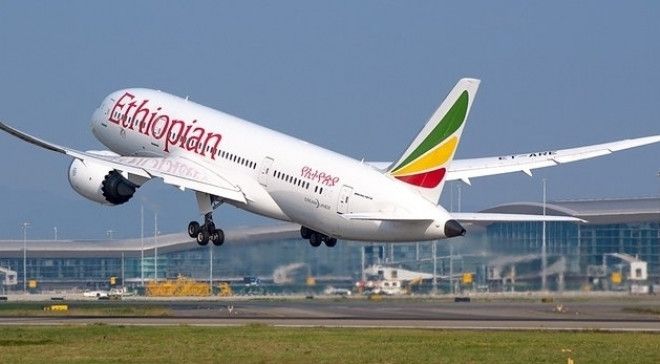
African carriers are registering an unexpected surge in demand as geopolitical instability across the Middle East forces travelers to abandon traditional transit hubs. Kenya Airways and Ethiopian Airlines are at the center of this shift, capturing rerouted passenger flows across long haul corridors linking Africa to Europe, the United States and Asia.
Kenya Airways sees rare off season surge
Kenya Airways is increasing flight frequencies after recording seat occupancy rates of up to 99 percent on some routes, a sharp deviation from typical low season performance.
The airline reports particularly strong demand on routes to Europe, the United States and Asia, driven by passengers avoiding conflict affected Middle Eastern hubs. It expects to retain about 40 percent of these new passengers even after the situation stabilises, pointing to potential long term gains.
Operationally, the carrier is moving to sustain the surge. It is securing additional fuel supplies and has already conducted two repatriation flights, with further missions planned.
Addis Ababa gains ground as transit hub
At the same time, Ethiopian Airlines is capitalising on a structural shift in transit patterns. Political instability linked to the conflict involving Israel, the United States and Iran is disrupting air transport across Gulf countries, pushing travelers to seek alternative routes.
South African passengers are increasingly using Addis Ababa as their primary transit hub, reflecting growing confidence in the airline’s network reliability.
Industry data shows that since the beginning of March, bookings through Ethiopian Airlines have surged by 110 percent.
“The shift is a result of cancellations and airspace restrictions on traditional flight routes,” said Sugarith, an official at Flight Centre South Africa.
Pre-existing dominance accelerates
The current spike builds on Ethiopian Airlines’ expanding market position. Data from the International Air Transport Association (IATA), shows the airline was already strengthening its dominance across key routes before the crisis.
In 2025, it became the top choice for flights to India, transporting more than 69,000 passengers on the Johannesburg to Mumbai route via Addis Ababa. On UK to South Africa routes, it emerged as the largest indirect carrier, surpassing Emirates by 39,000 passengers.
Across Africa to United States travel, the airline has also maintained strong competitiveness, ranking third after United and Delta airlines.
Crisis reshapes aviation flows
The disruption across Middle Eastern airspace is rapidly redrawing global aviation patterns, with African carriers emerging as immediate beneficiaries. Kenya Airways is absorbing direct demand through increased frequencies, while Ethiopian Airlines is reinforcing its position as a key intercontinental hub.
The extent to which these gains endure will depend on how long the disruptions persist and whether airlines can convert short term traffic into sustained market share.